Welcome,Flow Switches,Shanghai ZanKe Automation Technology Co., Ltd Hotline:18001874240
Language:
 ∷
∷

∷

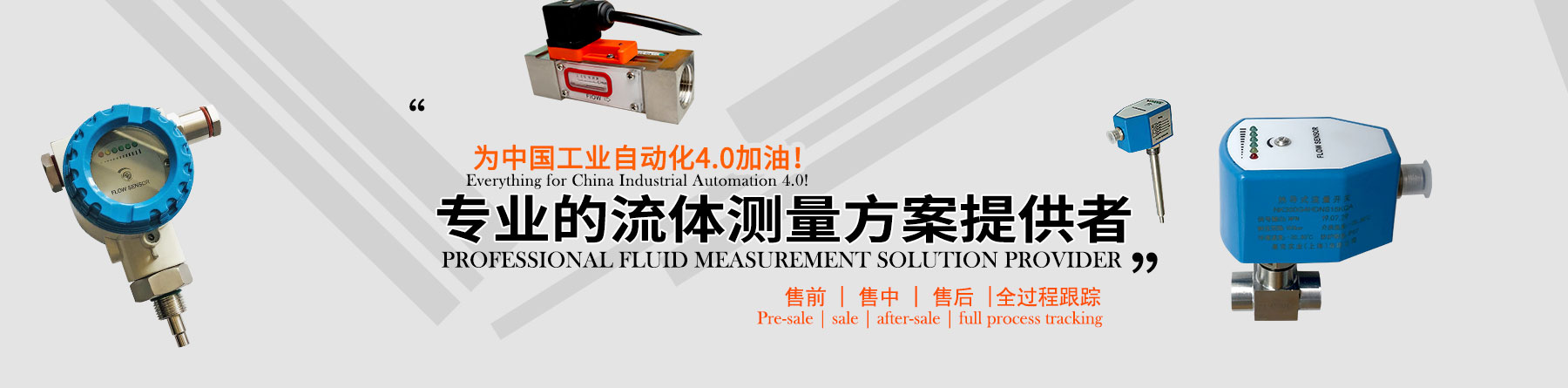

Comparison Between Thermal Flow Switches and Piston Flow Switches in Accuracy?
1. Accuracy of Thermal Flow Switches?
High Precision?: Typically achieves ?±0.5% to ±2%? of full-scale accuracy, with some models capable of detecting flows as low as ?0.1 L/min?.
No Mechanical Wear?: Relies on thermal diffusion principles, ensuring long-term stability without degradation from moving parts.
Fast Response?: Electronic signal processing enables ?millisecond-level? reaction time, ideal for dynamic flow control.
Case Example?:
Semiconductor Cooling System?: A thermal flow switch (Model NK-200) was used to monitor ultra-precise coolant flow in a ?5 L/min? system, maintaining ?±1% accuracy? over three years without recalibration.
2. Accuracy of Piston Flow Switches?
Moderate Precision?: Generally ?±5% of full-scale?, with repeatability affected by mechanical friction and fluid viscosity.
Mechanical Limitations?: Piston movement introduces inherent delays, and accuracy may decline with wear over time.
Viscosity Sensitivity?: Performance varies with fluid properties; high-viscosity fluids can cause ?±10% deviation?.
Case Example?:
Industrial Hydraulic System?: A piston flow switch in a ?20 L/min? oil circulation system showed ?±7% accuracy? initially but required annual recalibration due to piston wear.
3. Comprehensive Comparison?
Parameter? ?Thermal Flow Switch? ?Piston Flow Switch?
Accuracy? ?±0.5% to ±2%? ?±5%? (±10% for high-viscosity fluids)
Response Time? ?Milliseconds? ?Slower (mechanical delay)?
Long-Term Stability? ?High? (no wear) ?Moderate? (requires maintenance)
4. Selection Recommendations?
Choose Thermal Flow Switches for?:
Critical applications? requiring ?high precision? (e.g., ?pharmaceutical dosing?, ?laboratory equipment?).
Low-flow detection? (e.g., ?<1 L/min? in microfluidic systems).
Choose Piston Flow Switches for?:
Cost-sensitive projects? where ?±5% accuracy? is acceptable (e.g., ?irrigation systems?, ?general industrial monitoring?).
High-viscosity or dirty fluids? where thermal sensors may fail.
Case Example?:
Medical Infusion Pump?: A thermal flow switch ensured ?±0.8% accuracy? in a ?0.5 mL/min? drug delivery system, while a piston switch would have exceeded acceptable error margins.
Conclusion?
Thermal flow switches ?outperform piston types in accuracy? due to their ?electronic precision? and ?wear-free design?. However, piston switches remain viable for ?less critical applications? where ?mechanical robustness? outweighs precision requirements.
新聞資訊